
Fair vs Fare: The Difference, Meaning, and Examples (With Easy Memory Tricks)
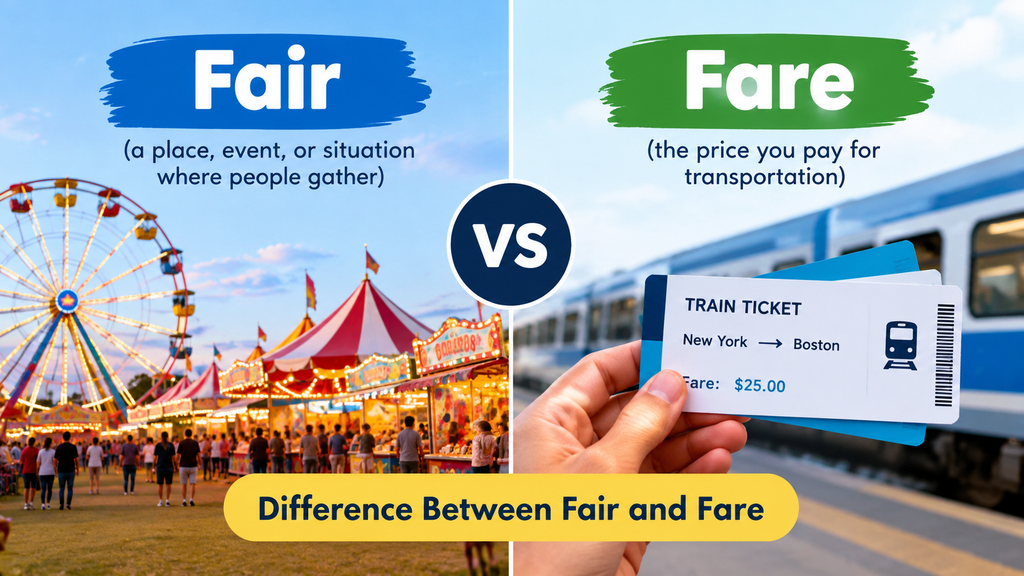
You’ve probably typed it, paused, and wondered whether it should be “fair” or “fare.” You are not alone. The fair vs fare question trips up students, professionals, and even confident writers, because the two words sound exactly the same but mean very different things. Here is the short version. “Fair” is mostly an adjective meaning […]
Frances vs Francis: What’s the Difference and Which Spelling Is Correct?
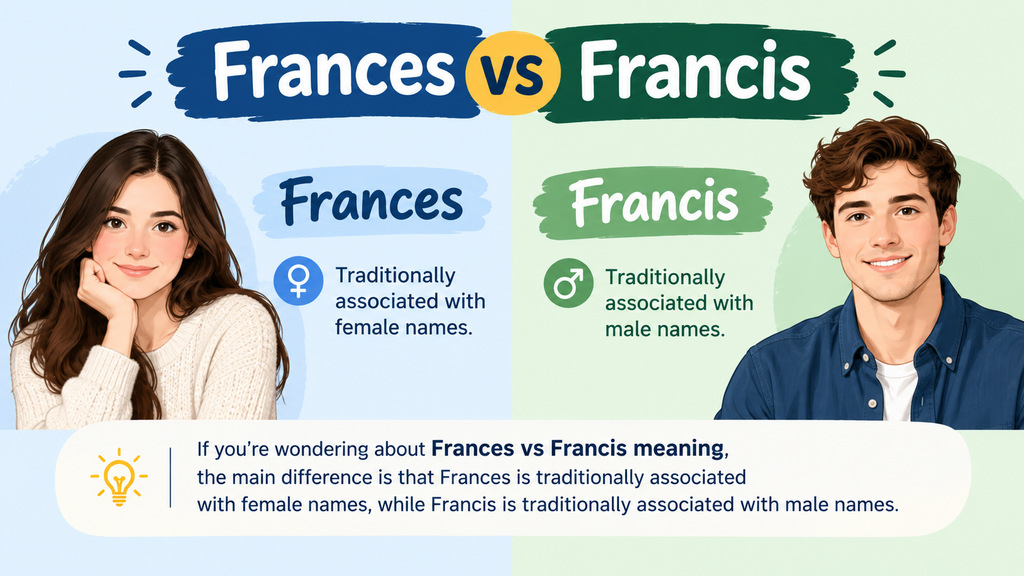
The frances vs francis question trips up writers, parents, and even journalists. The two names sound identical and share the same origin, but they are not interchangeable in standard English. Francis is the traditional masculine spelling and Frances is the traditional feminine spelling. They are pronounced the same way. This guide covers meaning, pronunciation, famous […]
Signer vs Signor: What’s the Difference and Which Word Is Correct?
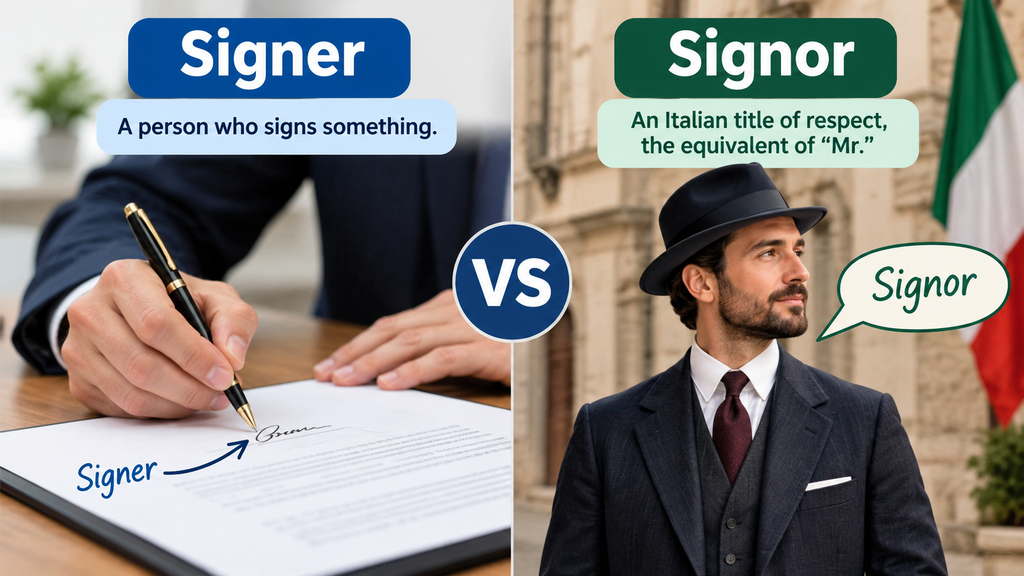
The signer vs signor question comes up on bank forms, loan paperwork, contracts, and even in Italian-language writing. The two words look almost the same, but they are not interchangeable. Quick answer: Signer is a standard English word for a person who signs a document. Signor is an Italian courtesy title, similar to “Mr.” or […]
Sweet vs Sweat: The not so long answer
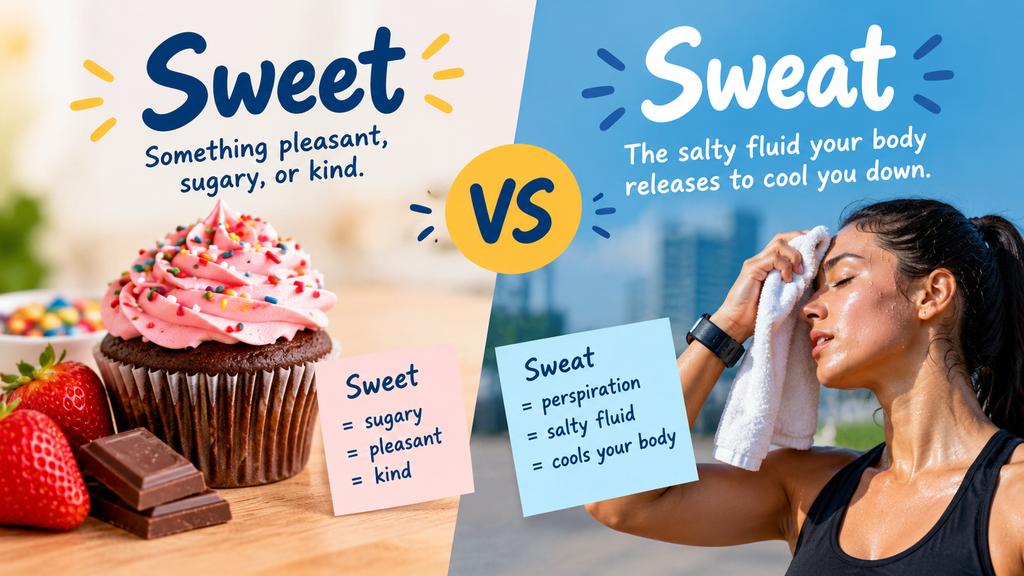
Sweet is that sugary taste , a pleasant thing about something, or even a decent person . Sweat is the salty fluid your skin lets out so you can cool off, and it is also the verb for making that happen. You can usually settle it fast. If you can trade in “sugary” or “kind,” […]
Than vs Then: Meaning, Difference, and Examples
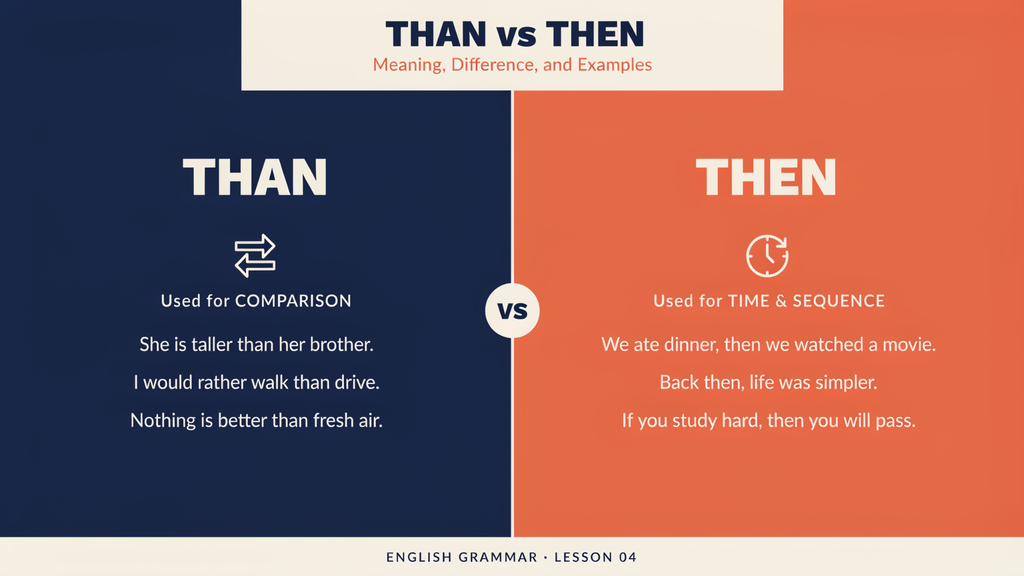
You’re halfway through an email, a college essay, or some caption, and you sort of pause. Is it better than or better then? Most writers have stopped right here, like, even people who do this for a living. The mix up is pretty understandable. Those two words look nearly the same, and they also sound […]
Whole vs. Hole: What’s the Real Difference? (Full Guide with Examples)
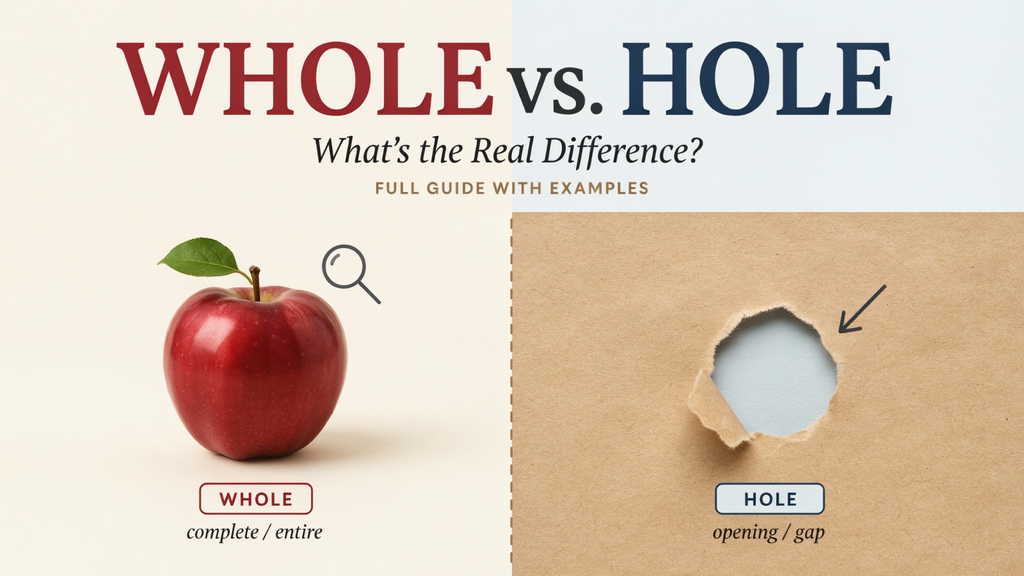
If you’ve ever typed out a sentence , then paused , and kind of stared at that word “whole” , like uh, should it be “hole” instead? then yeah you’re not totally alone. It’s one of those everyday American English little mix ups that still trips people up… even native speakers , just as much […]
Who’s vs Whose: Why Two Little Words Cause So Much Trouble?
You’re typing a message and then you just stop on one word… is it “Who’s coming tonight?” or “Whose coming tonight?” both look right, both sound the same in fact, and spell-check will not flag either one.That’s why this little pair trips up students , professionals,and even native speakers. The words are real,they’re spelled almost […]
Due to vs. Do To: The Grammar Rule You’ll Never Forget Again
You’re halfway through an email. You type “the meeting was canceled due to the storm,” and then something feels off, just a bit. You stare at it for a second and you’re not 100% sure, like do to or due to… which one is right, and honestly that little pause is more common than most […]
Seam vs. Seems: Getting the Word Right?
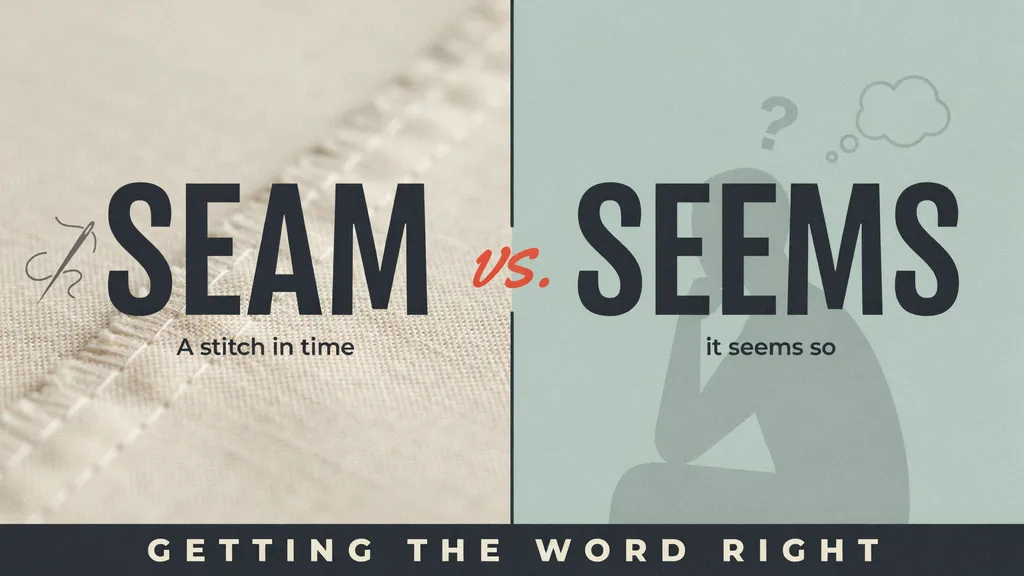
A seam is a noun, it’s basically that physical line where two bits of stuff like fabric, metal, or leather, are put together, joined, kind of stitched at the edge. It’s the seam, not the se em, no. Seem is a verb, and it does the job of giving an impression , or saying it […]
Choose vs. Chose: The Difference That Trips Up Even Great Writers
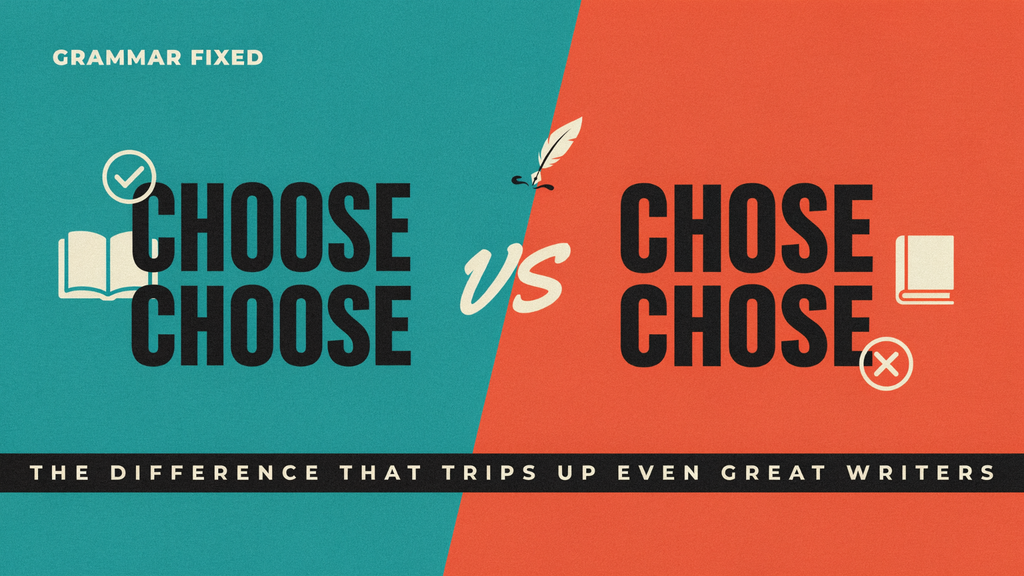
Few word pairs stir up as much quiet hesitation in professional writing as “choose” and “chose” . They look almost the same, sound kind of near enough to blur together, and both are perfectly valid English words, so your spellchecker will never complain if you grab the wrong one. That last part really matters more […]