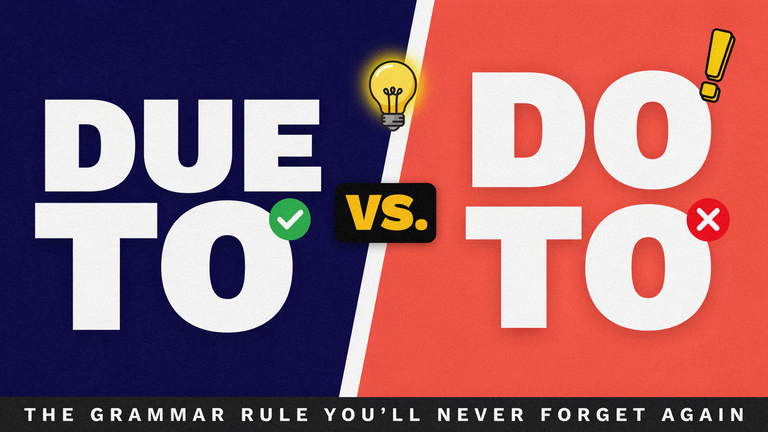
You’re halfway through an email. You type “the meeting was canceled due to the storm,” and then something feels off, just a bit. You stare at it for a second and you’re not 100% sure, like do to or due to which one is right, and honestly that little...
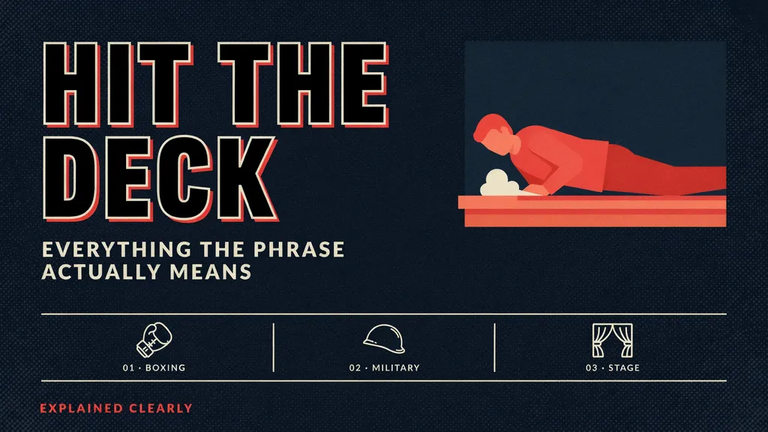
Someone yells “hit the deck!” and , for a split second, you might kinda have to guess what they mean. I mean, do they want you flat on the floor or maybe just out of bed? Or, maybe they’re talking about a cricket bowler on TV, or a boxer...
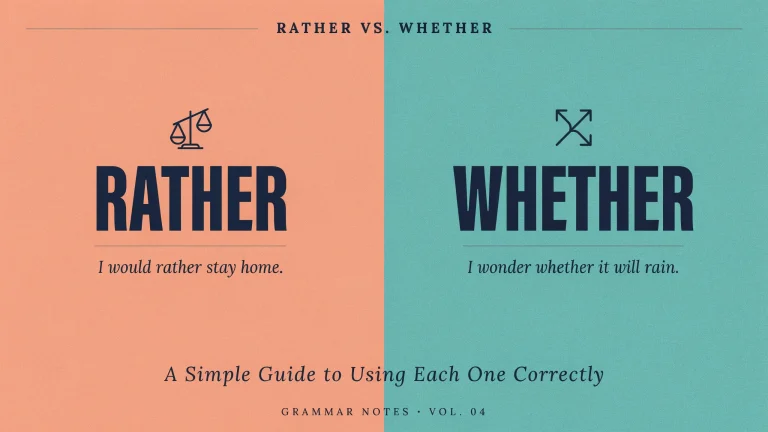
What “Whether” Actually Does and you know it kind of opens the whole idea, not sure about it sometimes, anyway. “Whether” shows up when you have a choice between two or more options , or when you’re talking about uncertainty about something. It’s...
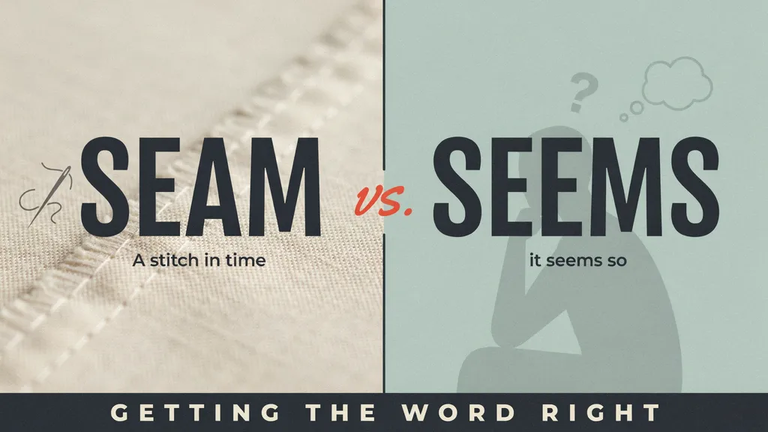
A seam is a noun, it’s basically that physical line where two bits of stuff like fabric, metal, or leather, are put together, joined, kind of stitched at the edge. It’s the seam, not the se em, no. Seem is a verb, and it does the job of giving an...
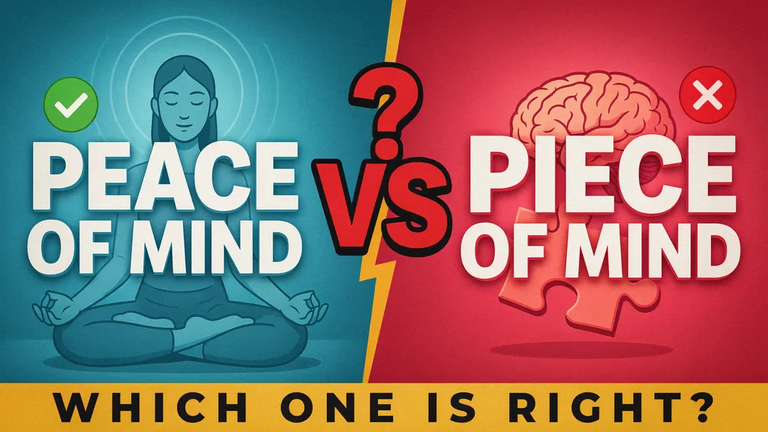
If you’ve ever paused mid-sentence wondering whether to type “peace of mind” or “piece of mind,” you’re in good company. The two phrases sound completely identical when spoken, which is exactly why so many people...
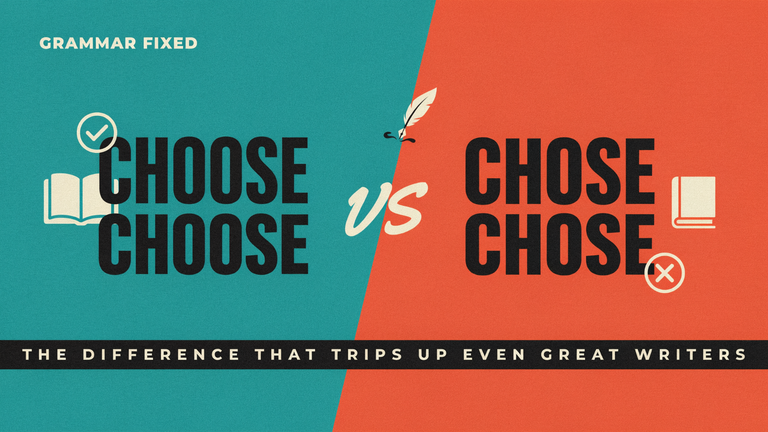
Few word pairs stir up as much quiet hesitation in professional writing as “choose” and “chose” . They look almost the same, sound kind of near enough to blur together, and both are perfectly valid English words, so your spellchecker will never...
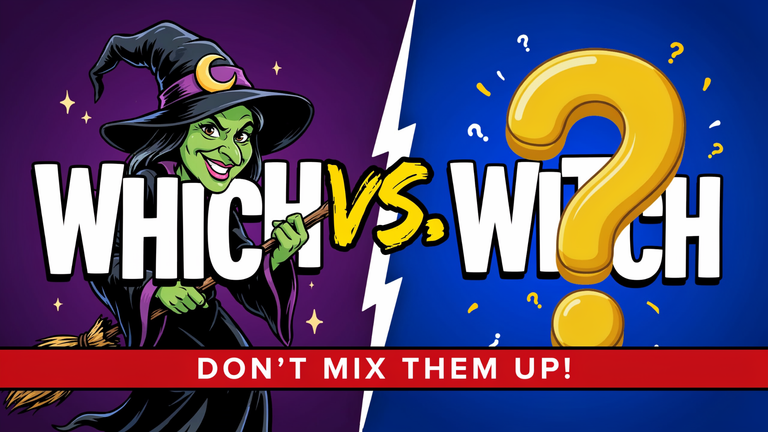
You’re writing out a sentence , you pause for a second and then suddenly you’re like wait, is it “which” or “witch” ? And no, you’re not just being dramatic, even pretty sure writers get tripped up. There’s a simple reason for it though. They sound...
Picture this, you’re sending a status update to your manager, you want to say the team’s output has improved gradually so you type “the team has improved overtime.” Spellcheck won’t really flag it, at least not most times. Your manager might not even...
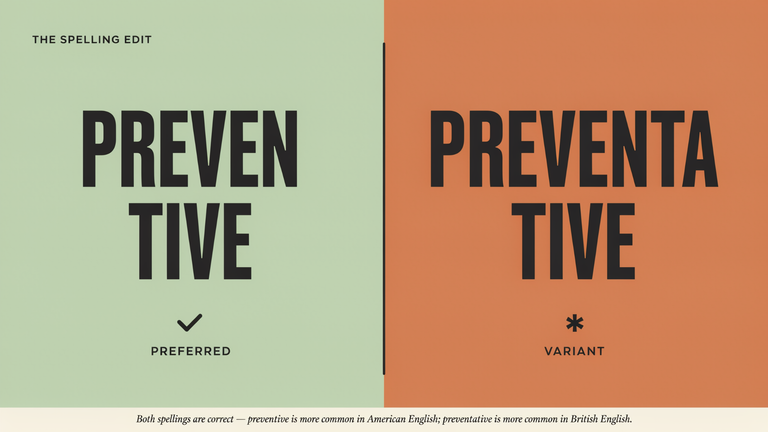
If you’ve ever paused mid-sentence wondering whether to write “preventive” or “preventative,” you’re not alone. Both words show up constantly on insurance paperwork, dental office signage, maintenance work orders...